

FAQs
What conditions can Massage Therapy treat?
Massage Therapy is a hands-on treatment provided by a Registered Massage Therapist (RMT), using techniques such as deep tissue work, myofascial release, trigger point therapy, and therapeutic stretching to address muscle, joint, and soft tissue dysfunction. As clinical understanding of pain and the musculoskeletal system have expanded, massage therapy has become a well-recognized component of both preventative and rehabilitative care.
Research and clinical guidelines from organizations such as the Registered Massage Therapists' Association of Ontario (RMTAO) and provincial regulatory colleges support the use of massage therapy as part of comprehensive care for pain, mobility, and stress-related conditions. This technique is commonly used alongside physiotherapy, chiropractic care, and post-surgical or post-injury rehabilitation.
Massage Therapy may be effective in treating conditions including, but not limited to:
Chronic and acute back, neck, and shoulder pain
Tension headaches and migraines
Sports injuries and muscle strains
Postural dysfunction and repetitive strain injuries
Sciatica and nerve compression
Fibromyalgia and chronic pain conditions
Joint stiffness and reduced range of motion
Post-surgical and post-injury scar tissue and stiffness
Stress, anxiety, and tension-related muscle tightness
Prenatal and postpartum discomfort
Sleep disturbances related to muscle tension
TMJ dysfunction and jaw tension
Beyond these indications, massage therapy has been used clinically to support recovery, reduce discomfort, and improve overall tissue and joint health in individuals managing pain, stress, or physical strain. While ongoing research continues to expand our understanding, decades of clinical practice demonstrate its value as a supportive, non-invasive therapy that complements medical, athletic, and rehabilitative care.
Registered Massage Services
-
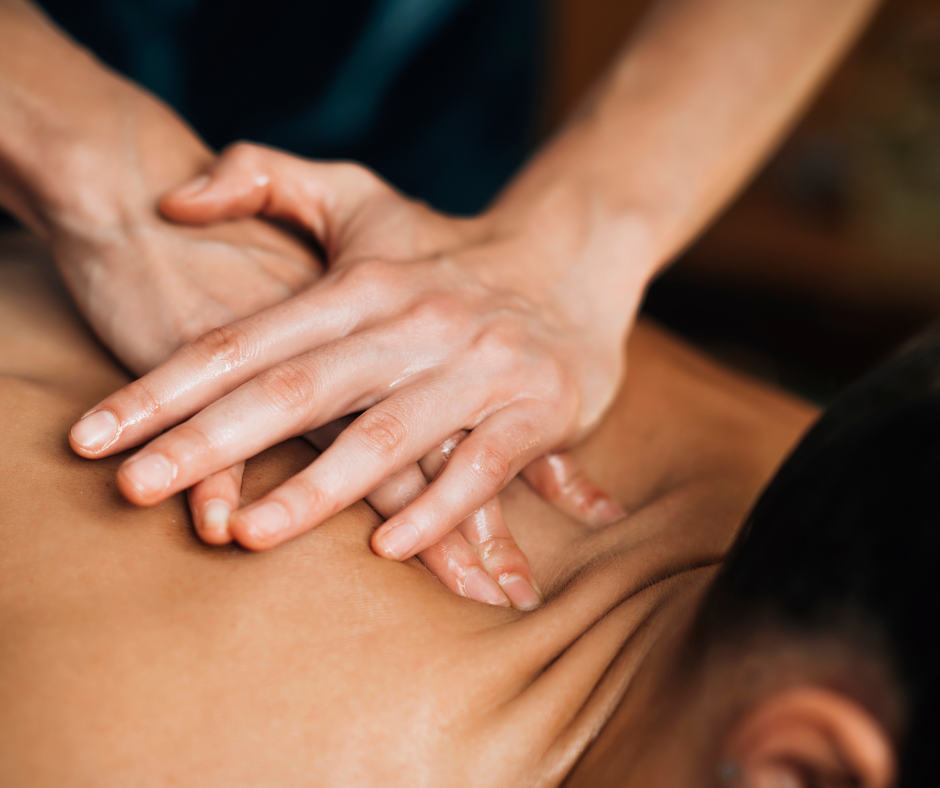
Deep Tissue Massage
Deep Tissue Massage uses slow, firm strokes and sustained pressure to reach the deeper layers of muscle and connective tissue. It's designed to break up adhesions and release chronic tension that lighter massage techniques can't always reach, making it especially effective for stiff necks, tight shoulders, lower back pain, and muscle tightness from repetitive strain or old injuries.
-
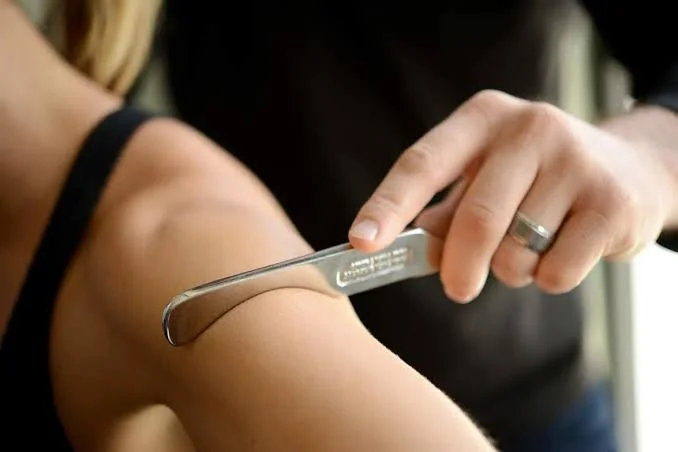
Instrument Assisted Soft Tissue Mobilization (IASTM) Therapy
IASTM uses specialized stainless-steel tools to help therapists locate and treat areas of soft tissue restriction, scar tissue, and fascial adhesions. The instruments allow for a more precise, targeted application of pressure than hands alone, helping to break down restrictions, stimulate blood flow, and encourage the body's natural healing response — commonly used for tendon injuries, scar tissue, and chronic soft tissue restrictions.
-
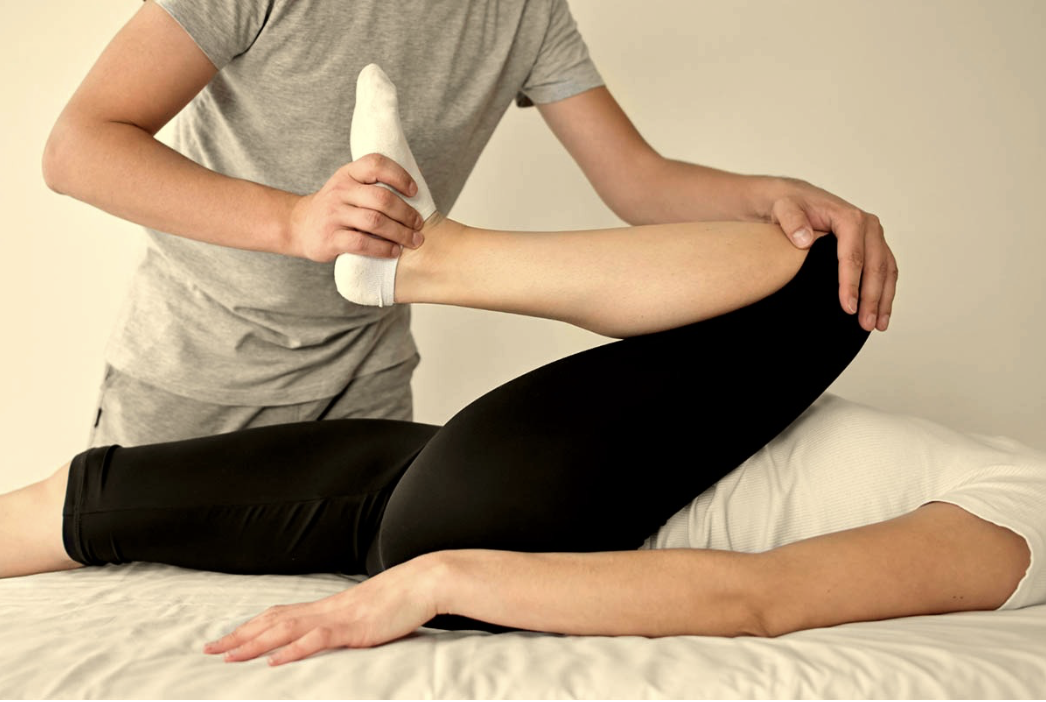
Joint Mobilization
Joint Mobilization is a manual technique in which a therapist applies gentle, controlled movements to a joint to improve its range of motion and reduce stiffness. Unlike high-velocity adjustments, these movements are slow and rhythmic, working within the joint's natural range to reduce pain, restore normal movement patterns, and relieve tension in the surrounding tissue — often used for stiff shoulders, restricted necks, and joints affected by injury or prolonged immobility.
-
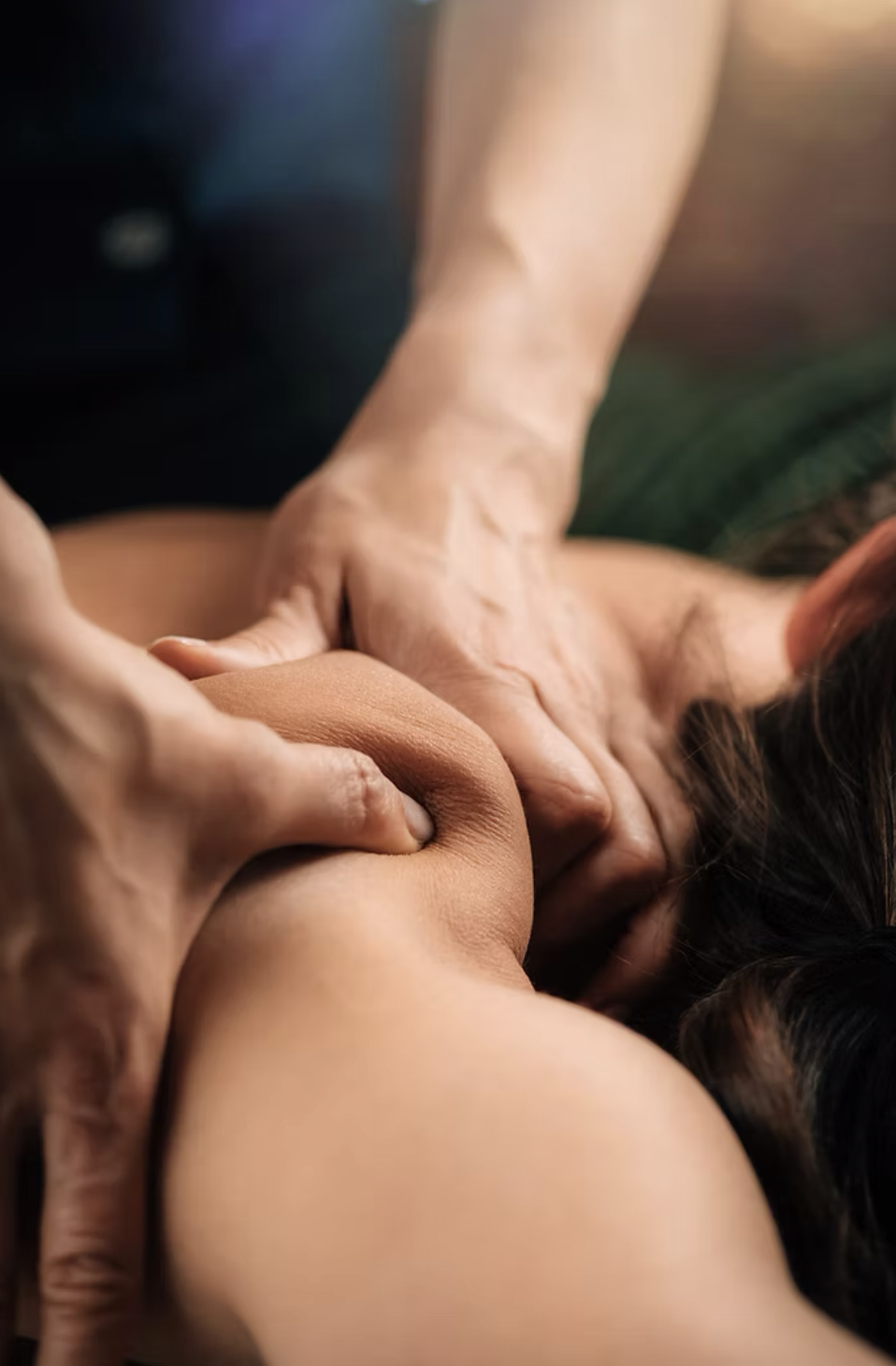
Myofascial Release Therapy
Myofascial Release Therapy involves applying sustained, gentle pressure into the fascia — the connective tissue that surrounds muscles, bones, and joints — to release tightness and restrictions. Rather than working quickly, this technique holds gentle stretching pressure for an extended period, allowing the fascia to gradually loosen and improve overall mobility, posture, and pain patterns caused by fascial tension.
-
Trigger Point Therapy
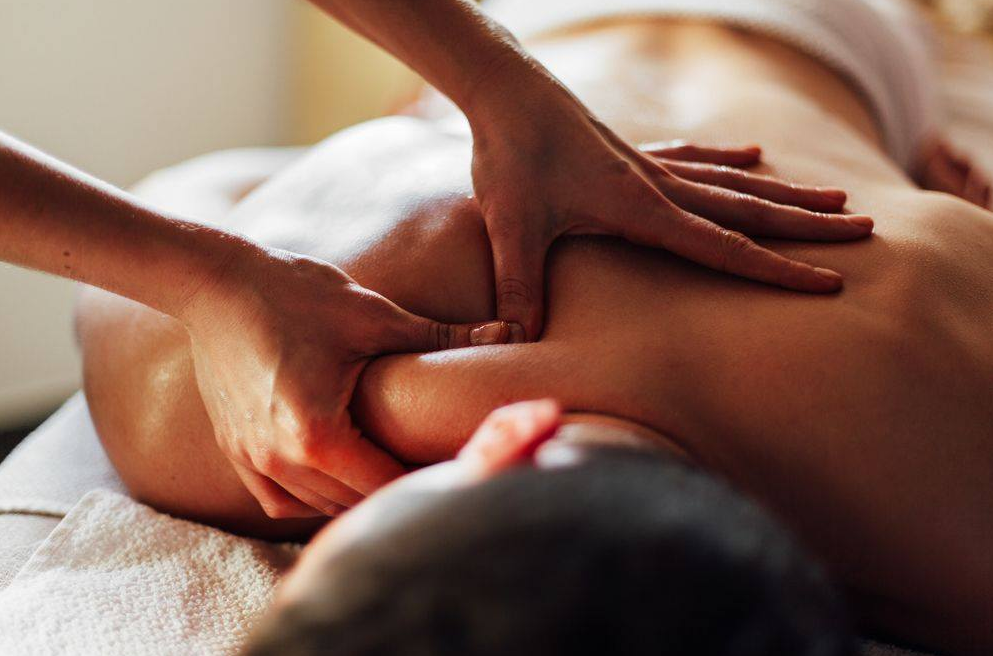
Trigger Point Therapy targets specific hyperirritable points within tight bands of muscle, known as trigger points, which can cause localized pain as well as pain that radiates or refers to other areas of the body. By applying focused, sustained pressure directly to these points, this technique helps release the tension held within them, reducing pain and restoring more normal muscle function.