
FAQs
Psychological Conditions
Depression
Anxiety
OCD
PTSD
Somatization disorder
Hypersomnia
Insomnia
Neurological Conditions
Headache and migraine
Trigeminal neuralgia
Facial palsy (early stage, within three to six months)
Paresis following stroke
Parkinsons
Peripheral neuropathies
Meniere’s Disease
Nocturnal enuresis
Cervicobrachial syndrome
Neurogenic bladder dysfunction
Intercostal neuralgia
Disc problems
What conditions can TCM treat?
As more people are benefitting from acupuncture, numerous studies have been done on the treatment method, mainly focusing on the types of conditions in which acupuncture is able to treat effectively. A pioneer study was done in 2003 by the World Health Organization (WHO) and the National Institutes of Health (NIH) named “Acupuncture: Review and Analysis of Reports on Controlled Clinical Trials”. The report consists of a compilation of conditions that are shown to be effectively treated by acupuncture, and I have placed the list below for your reference.
Musculo-skeletal Conditions
Muscle pain, swelling, stiffness and weakness
Localized traumatic injuries, sprains, strains, tendinitis, contractures
Arthritis
Fibromyalgia
Work and sports related injuries
Low back and/or neck strain
Osteoarthritis
“Frozen shoulder”, “tennis elbow”
Sciatica
Respiratory System Conditions
Acute sinusitis
Acute rhinitis
Common cold and allergies*
Acute tonsillitis
Acute bronchitis
Bronchial asthma
Conditions of the Eye, Ear, Nose & Mouth:
Acute conjunctivitis
Central retinitis
Myopia (in children)
Cataract (without complications)
Toothaches, post extraction pain
Gingivitis
Acute and chronic pharyngitis
Gynecological Conditions:
Infertility
PMS
Dysmenorrhea
Menopause syndrome
Benign irregular menstruation
Benign amenorrhea
Poly-Cystic Ovarian Syndrome
Cardiovascular Conditions:
Essential hypertension
Traditional Chinese Medicine Services
-
Acupuncture
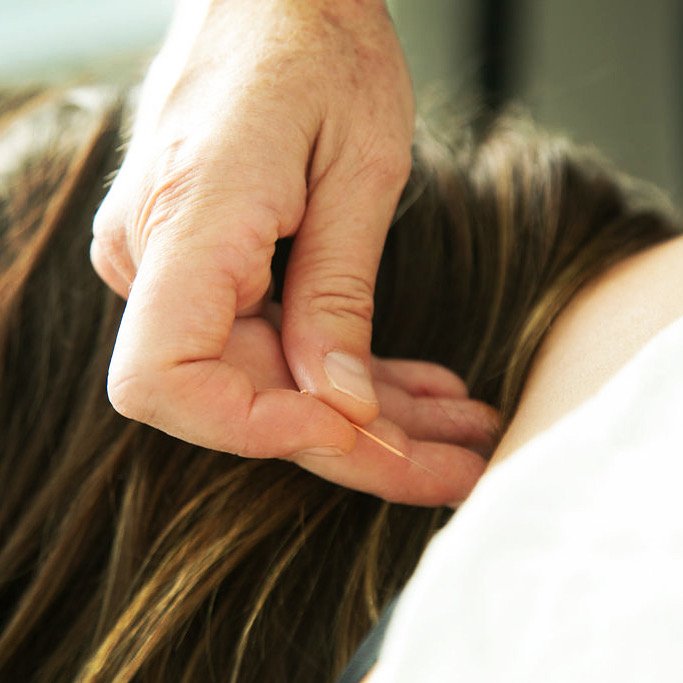
Acupuncture is a primary treatment modality within Traditional Chinese Medicine (TCM) and is based on an extensive meridian system, thought to be fascial in origin, containing specific acupuncture points. Treatment is performed by inserting fine, sterile needles into selected acupoints to regulate the flow of cellular communication throughout the body. Upon needle insertion, patients may experience a sensation known as de-qi which is described as numbness, heaviness, distention, or a mild tingling sensation that may be felt locally or along the meridian pathway. The needles are retained for a period of time, allowing the body to engage its natural healing mechanisms. Acupuncture is commonly used for pain and musculoskeletal conditions, and is also effective in addressing a wide range of concerns including neurological, respiratory, gastrointestinal, gynecological, and cardiovascular conditions.
-
5 Element Acupuncture
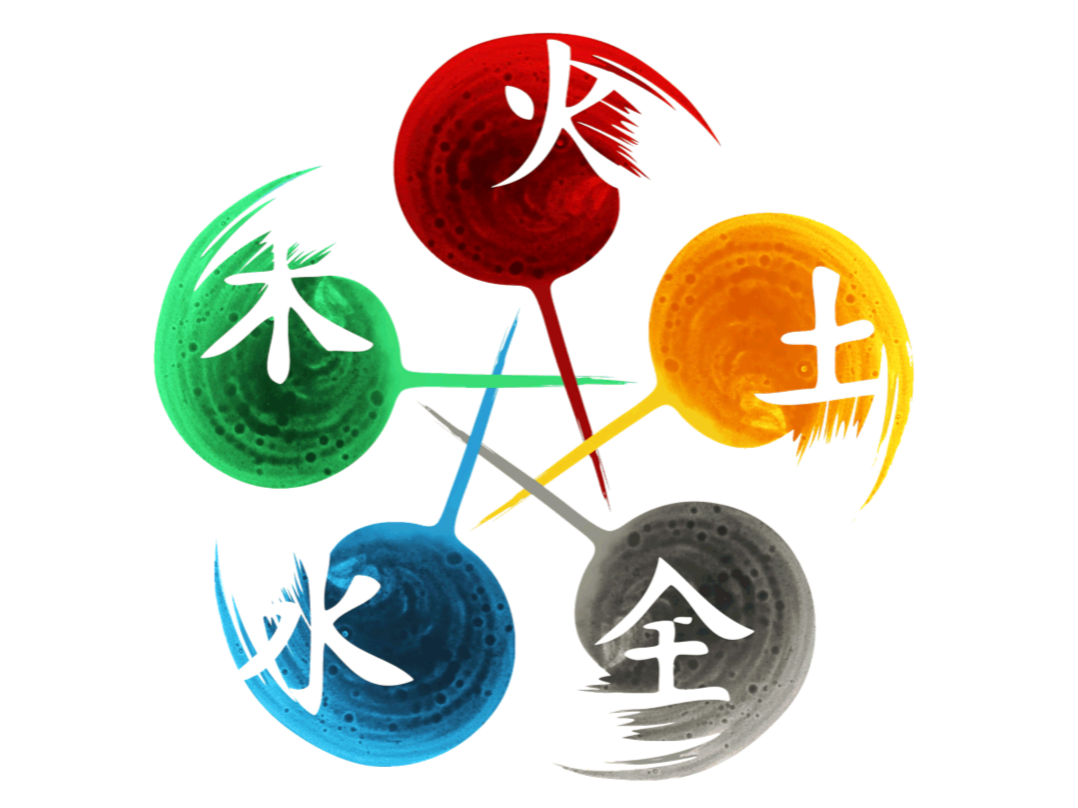
5 Element Acupuncture is a classical acupuncture system rooted in the Five Elements—Wood, Fire, Earth, Metal, and Water—which reflect fundamental principles of nature and human physiology. This approach places strong emphasis on the integration of physical, emotional, and constitutional health, recognizing that chronic or recurring conditions often arise from deeper imbalances. Through careful observation, listening, and palpation, the practitioner identifies the patient’s primary constitutional element and selects acupuncture points to restore internal harmony. Treatment typically involves fewer needles and focuses on regulating the spirit (Shen), strengthening core vitality, and supporting long-term balance. 5 Element Acupuncture is particularly well-suited for chronic conditions, emotional stress, fatigue, and concerns that have not fully resolved with other treatment approaches.
-
Facial Rejuvenation Acupuncture
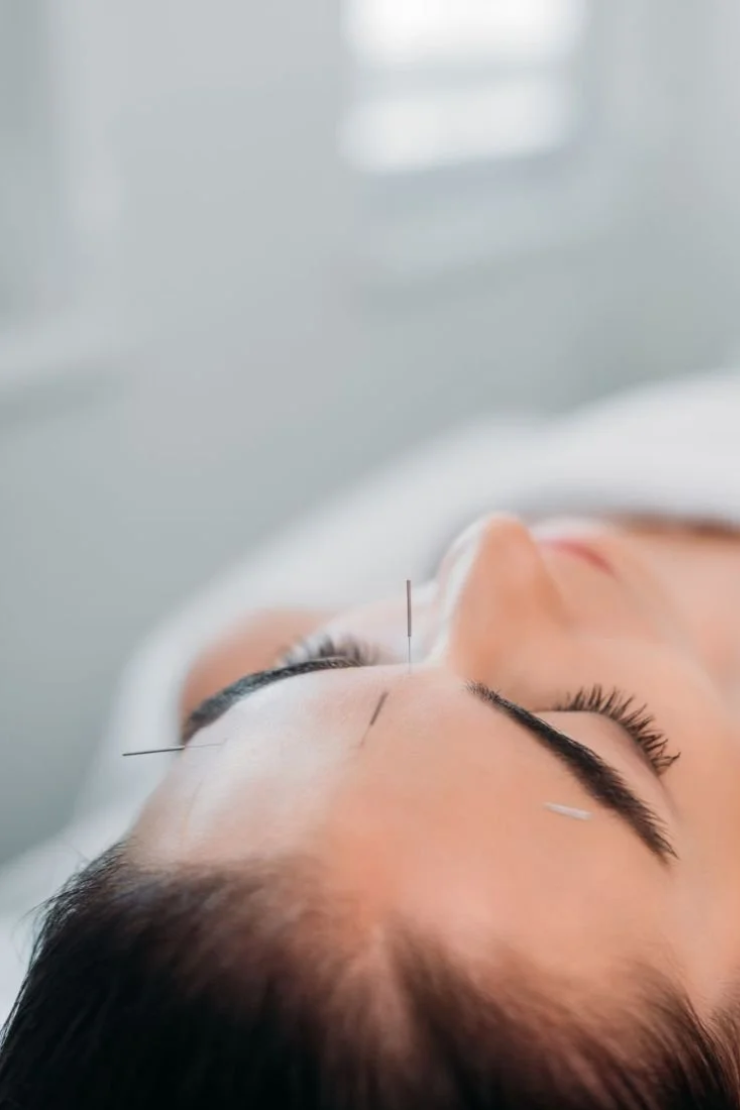
Also known as cosmetic acupuncture or facial acupuncture is an extension of traditional acupuncture, targeting facial points to enhance skin health and address cosmetic conerns through stimulating circulation, boosting collagen, and toning facial muscles. It can help to reduce fine lines + wrinkles, improve skin elasticity, brighten complexion, minimize pores, balance facial symmetry, and address acne, eczema, rosacea, and more.
-
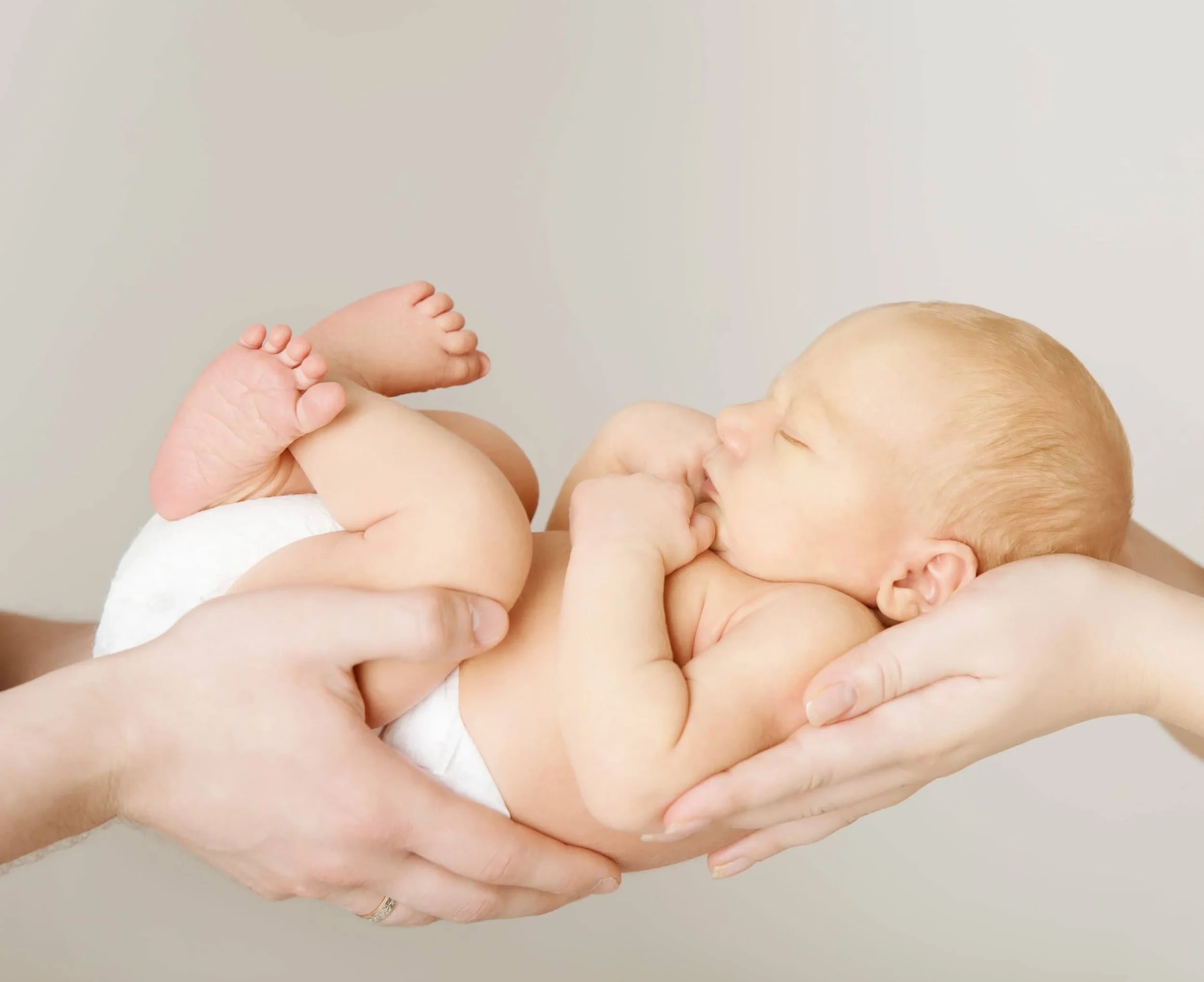
Fertility Support
Fertility Acupuncture is a specialized, clinically focused approach that integrates Traditional Chinese Medicine with modern reproductive health principles. Using precise acupuncture techniques, lifestyle guidance, and targeted adjunct therapies, the practitioner works on acupuncture points, hormonal pathways, and energy channels to support reproductive function, balance hormones, and improve circulation to the reproductive organs. This approach is designed for individuals and couples seeking to enhance fertility, addressing both underlying imbalances and stress-related factors that can affect conception. Rather than simply supporting symptom relief, treatment aims to optimize hormonal regulation, reproductive system function, and overall well-being. Fertility Acupuncture is particularly effective for menstrual irregularities, ovulatory issues, endometriosis, polycystic ovary syndrome (PCOS), low ovarian reserve, and stress-related infertility, helping the body create the ideal environment for conception and pregnancy.
-
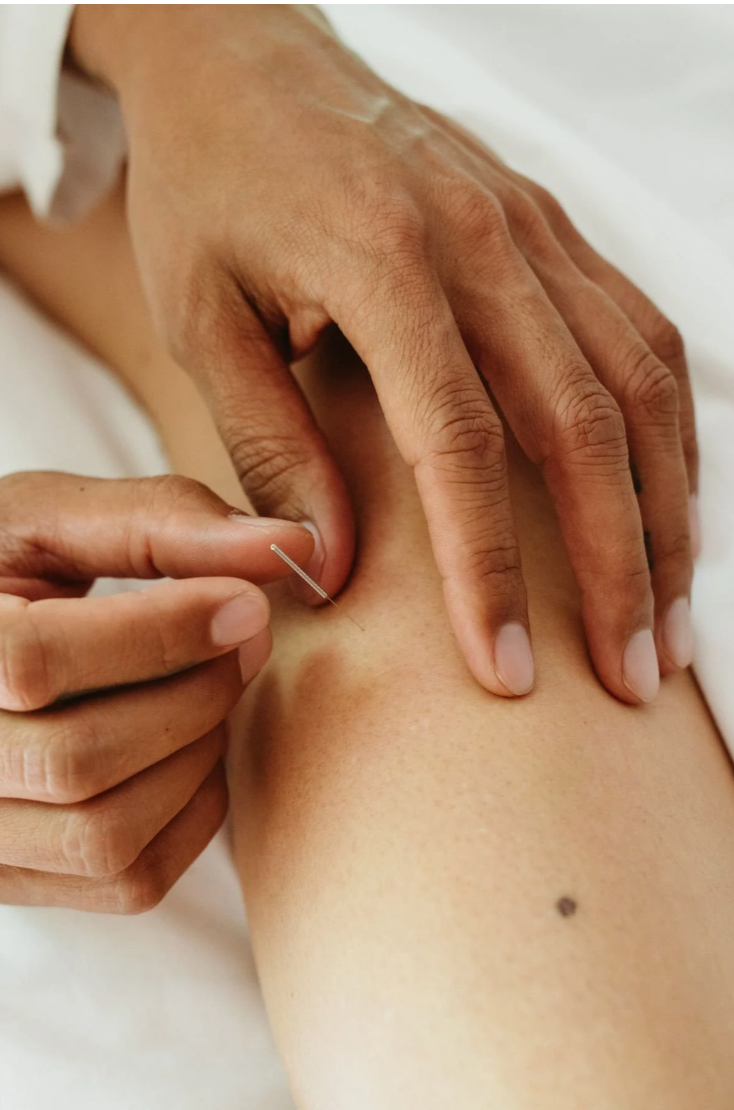
Integrative Oncology
Integrative oncology acupuncture is a specialized area designed to support individuals during and after cancer treatment. This approach is intended to complement conventional medical care, including chemotherapy, radiation, surgery, and immunotherapy. Treatment focuses on improving quality of life, reducing treatment-related side effects, and supporting overall strength and recovery. Treatment plans are carefully tailored to the patient’s diagnosis, treatment phase, and constitutional health. Commonly addressed concerns include pain, fatigue, nausea, neuropathy, insomnia, and emotional distress. Integrative Oncology does not replace conventional cancer treatment, but works alongside it to support the body’s resilience during treatments and to improve healing capacity in survivorship.
-
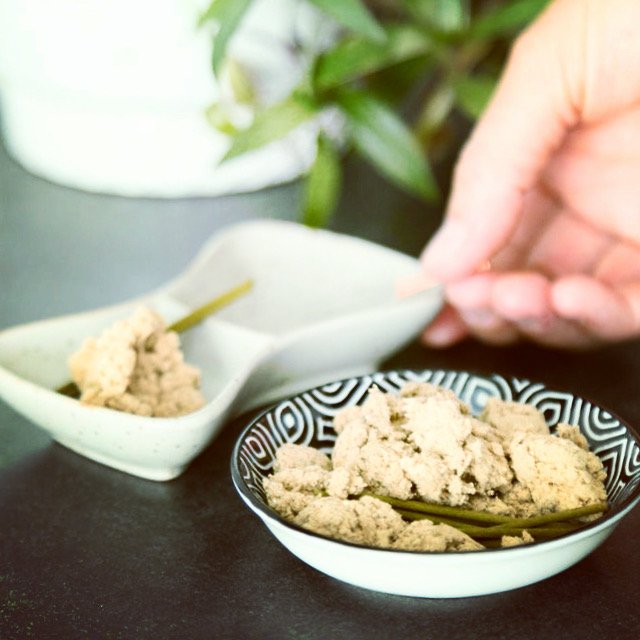
Moxibustion
Moxibustion is a traditional therapeutic technique frequently used alongside acupuncture to enhance treatment effects. This method involves the application of heat from burning compressed mugwort, known as moxa, which is commonly formed into sticks or cones. A lit moxa stick may be held above an acupoint or along a meridian for a controlled period of time, while ensuring the skin is not burned. Another technique involves placing a slice of ginger over an acupoint and positioning a moxa cone on top, which is burned until warmth is felt in the area. The primary function of moxibustion is to warm and tonify the body, and it is often applied in the treatment of pain conditions, gynecological disorders, and gastrointestinal imbalances.
-
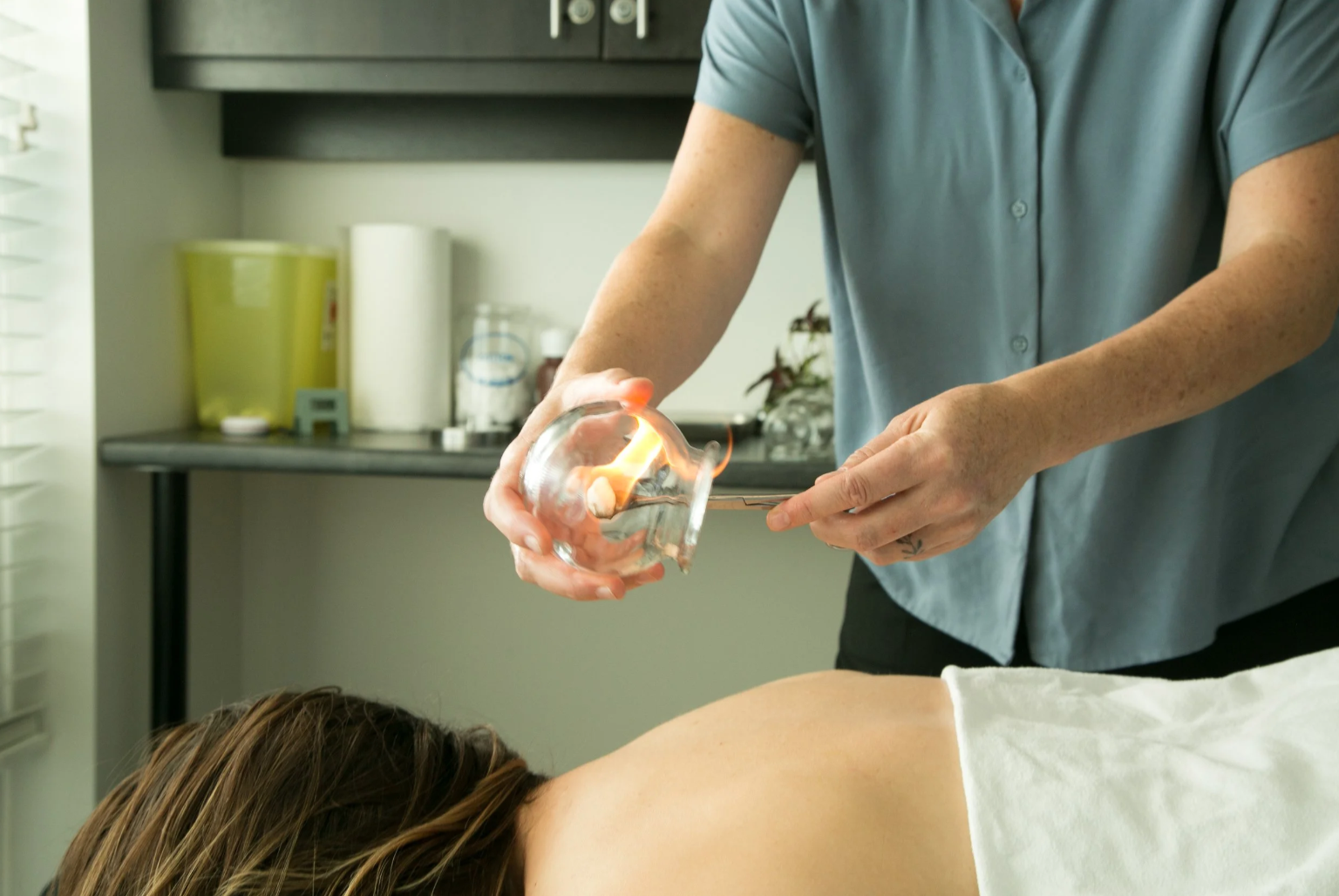
Myofascial Cupping Therapy
Myofascial Cupping Therapy (MCT) is a supportive treatment method primarily used to release connective tissue or fascia. Sometimes there are fascial adhesions and immobility which can be resulting in pain and MCT can be an excellent choice in treatment. It may also be applied in the treatment of certain respiratory conditions, such as bronchitis and the common cold. This technique involves creating suction on the skin using cups, traditionally achieved by briefly placing a flame inside the cup before positioning it on the body. Unlike acupuncture, cupping therapy is not suitable for all individuals, and its use is determined at the practitioner’s discretion based on the patient’s condition and overall presentation.
-
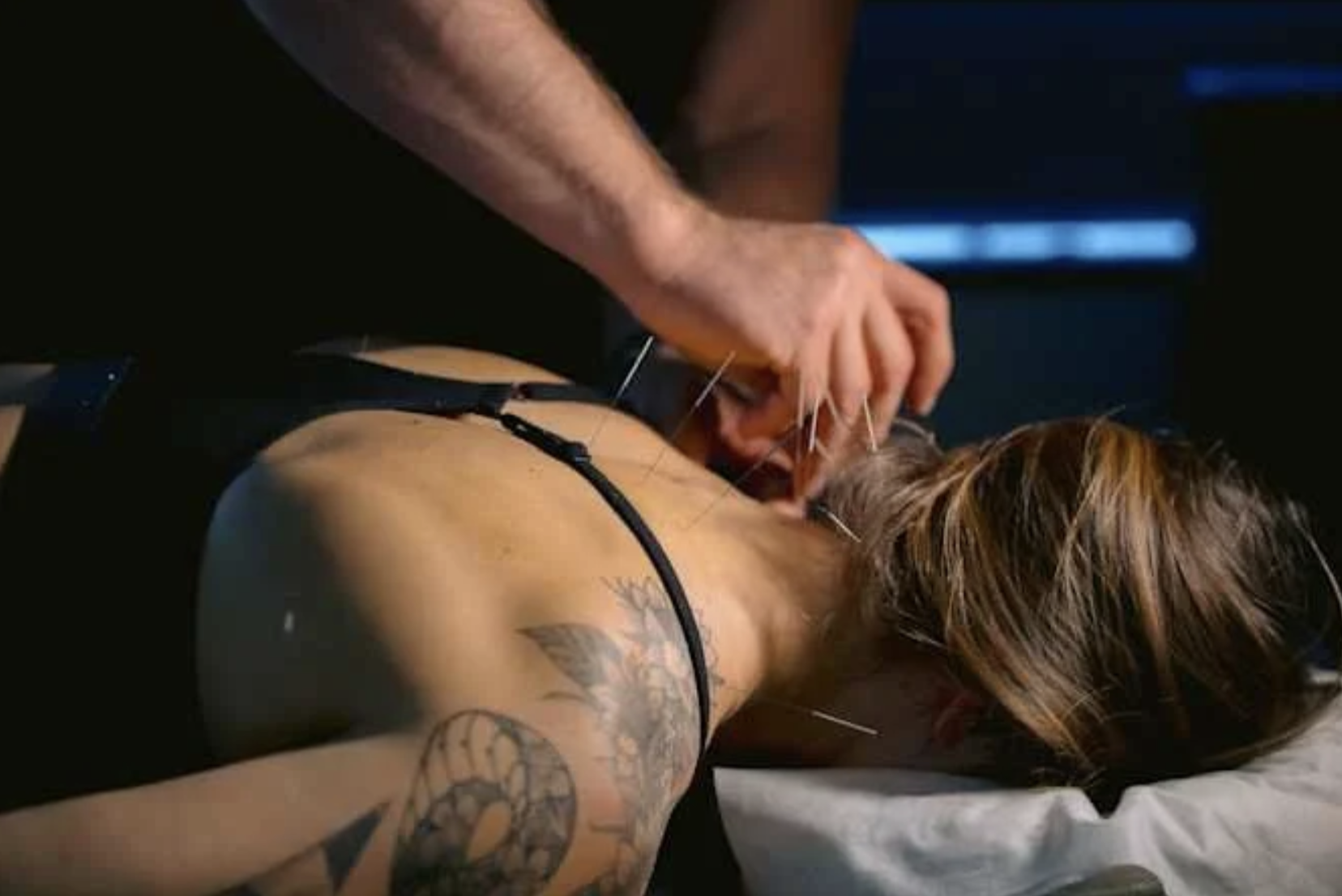
Sports Medicine Acupuncture + Recovery
Sports Medicine Acupuncture & Recovery is a specialized, clinically focused approach that blends Traditional Chinese Medicine with modern sports and rehabilitation principles. Using precise acupuncture techniques and targeted manual therapy—the practitioner works on acupuncture points, muscle bellies, tendons, fascia, and joints to reduce pain, improve circulation, and accelerate tissue healing. This style of acupuncture is designed for active individuals and athletes, addressing both acute injuries and chronic overuse patterns. Rather than simply easing symptoms, treatment aims to restore optimal movement, neuromuscular function, and biomechanical balance. Sports Medicine Acupuncture is particularly effective for muscle strains, tendon injuries, joint pain, nerve irritation, and post-exercise recovery, helping the body repair more efficiently and return to activity with greater resilience.
-
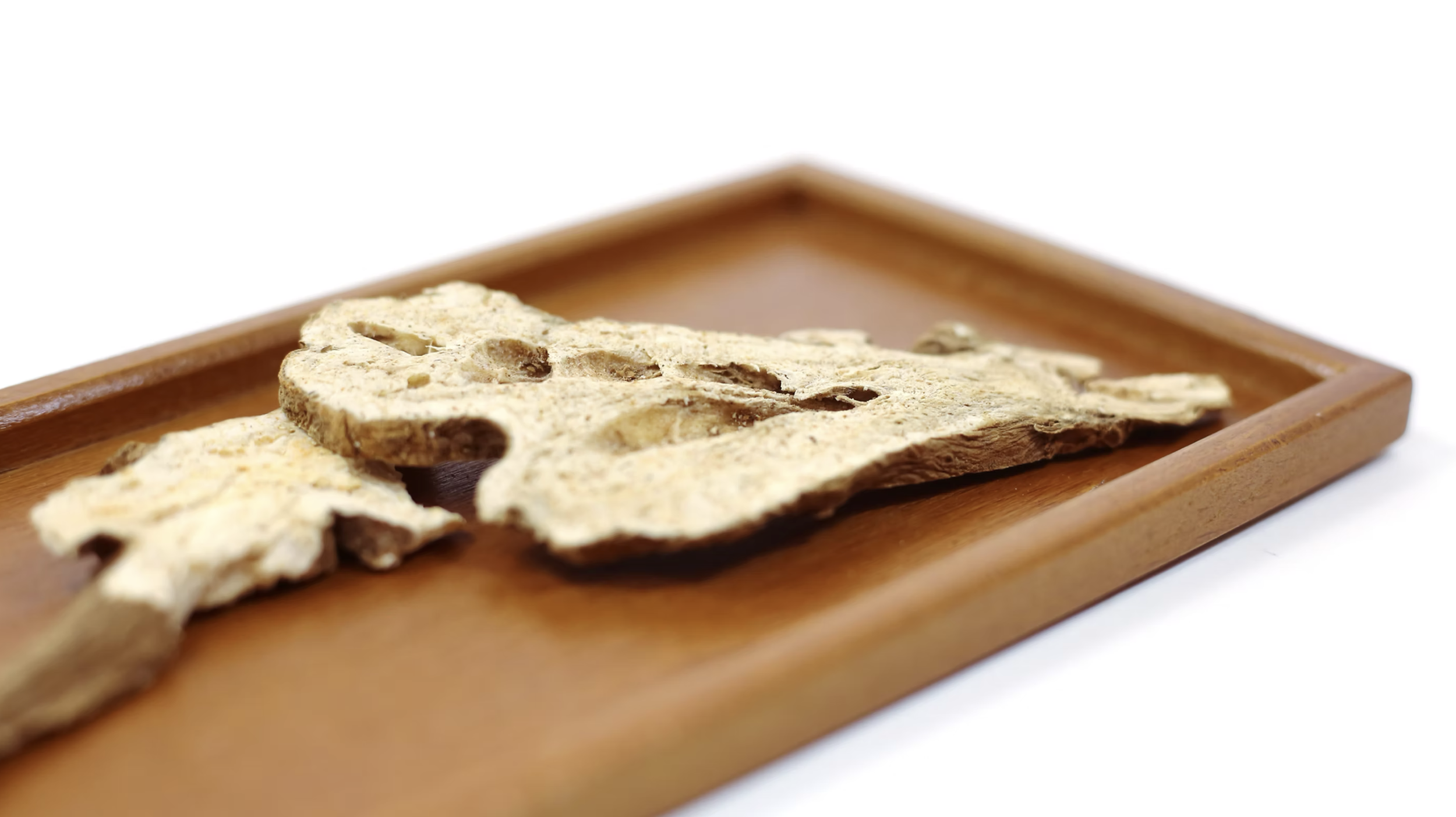
Traditional Chinese Herbal Medicine
Traditional Chinese Herbal Medicine is one of the foundational treatment modalities of TCM and remains an essential component of clinical practice. Unlike many other herbal systems, TCM emphasizes the precise combination of multiple herbs to create a synergistic and individualized formula. Treatment begins with a comprehensive assessment to identify the underlying pattern, or syndrome, responsible for the patient’s symptoms—often referred to as addressing the “root” of the condition. Based on this diagnosis, a customized herbal formula is prescribed. Herbs may be dispensed in raw form for home decoction, in powdered form to be dissolved in warm water, or as prepared herbal pills when appropriate. Through expertise in Classical Diagnostics and Prescriptions, the formula-syndrome differentiation method allows for accurate matching of condition to formula, enhancing treatment effectiveness and supporting efficient clinical outcomes.