

FAQs
What conditions can Pelvic Health Physiotherapy treat?
Pelvic Health Physiotherapy is a specialized area of physiotherapy that addresses conditions involving the pelvic floor muscles, connective tissues, nerves, and surrounding structures. As awareness and research in this field have grown, a substantial body of evidence now supports pelvic health physiotherapy as an effective, first-line treatment for many pelvic floor–related conditions.
Professional organizations such as the International Continence Society (ICS), the American Physical Therapy Association (APTA – Section on Pelvic Health), and the National Institute for Health and Care Excellence (NICE)have published clinical guidelines supporting pelvic floor physiotherapy for a wide range of conditions. These guidelines are based on extensive research demonstrating improved function, symptom reduction, and quality of life.
Pelvic Health Physiotherapy may be effective in treating conditions including, but not limited to:
Urinary incontinence (stress, urge, and mixed)
Fecal incontinence and bowel control issues
Pelvic organ prolapse (pre- and post-surgical, or conservative management)
Pelvic pain and chronic pelvic pain syndromes
Pain with intercourse (dyspareunia)
Vulvodynia and vestibulodynia
Endometriosis-related pelvic pain
Painful bladder syndrome / interstitial cystitis
Pregnancy-related pelvic girdle pain
Postpartum recovery and birth-related injuries
Diastasis recti (abdominal separation)
Core and pelvic floor dysfunction
Prostate-related pelvic pain and post-prostatectomy concerns
Beyond this list, pelvic health physiotherapy also draws on clinical expertise and decades of practice-based evidence to address complex and overlapping symptoms that may not yet be fully captured in large-scale research studies. Treatment focuses not only on symptom management, but on identifying and addressing the underlying contributors to dysfunction—supporting long-term recovery, function, and confidence in daily movement.
Pelvic Health Physiotherapy Services
-
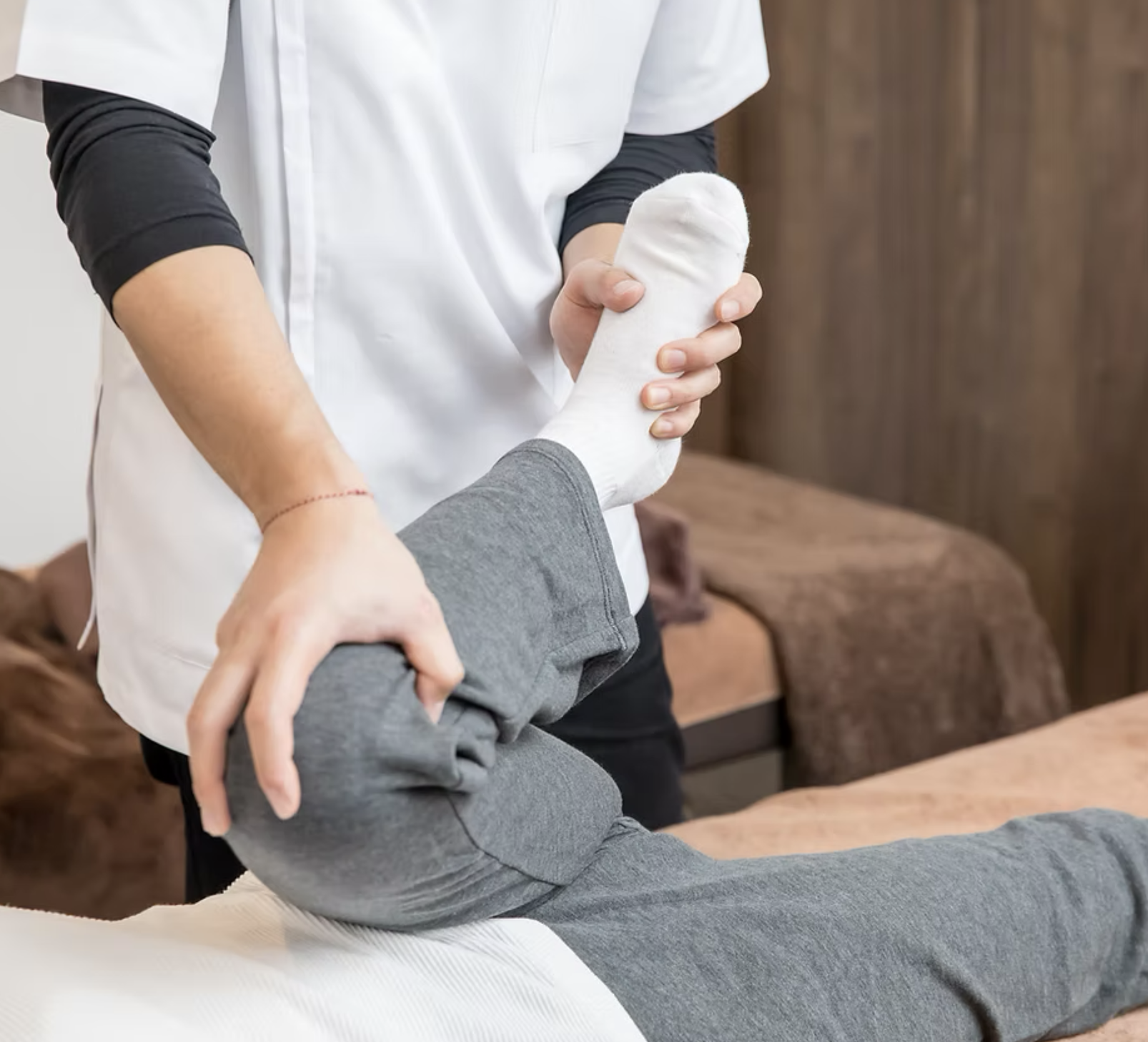
Pelvic Floor Physiotherapy
Pelvic floor physiotherapy consists of the assessment, treatment, and prevention of numerous pelvic health issues. The pelvic floor plays an important role in pelvic organ support, sexual function, bladder and bowel control, circulation, and stability. Pelvic floor physiotherapy can help with pelvic organ prolapse, urinary incontinence, urgency, and frequency, pelvic pain, diastasic recti, pain with sex, pubic symphysis dysfunction, back pain and much much more!
-

Prenatal & Postpartum Physiotherapy
Congratulations mama! What a wonderous time full of unknowns and changes to adjust to. Physiotherapy can help in various ways through our journeys with our tiny humans! Prenatal & postpartum physiotherapy can help with pelvic floor care, core concerns, diastasis recti, joint pain - back, tailbone, SI, pubic symphysis, wrist, thumb, neck, etc, swelling management, scar management, preparing for labour, childbirth, postpartum recovery and much much more!
-

Infant Torticollis & Plagiocephaly
Infant torticollis is a common condition that causes a stiff neck where the infant holds their head with a tilt and preference to rotate one way. This can lead to plagiocephaly, or development of a flat spot on the back of their heads. Working with a physiotherapist to restore normal function in the neck and education on infant positioning in sleep, play, and throughout the day will help address infant torticollis and plagiocephaly.
-
General Physiotherapy
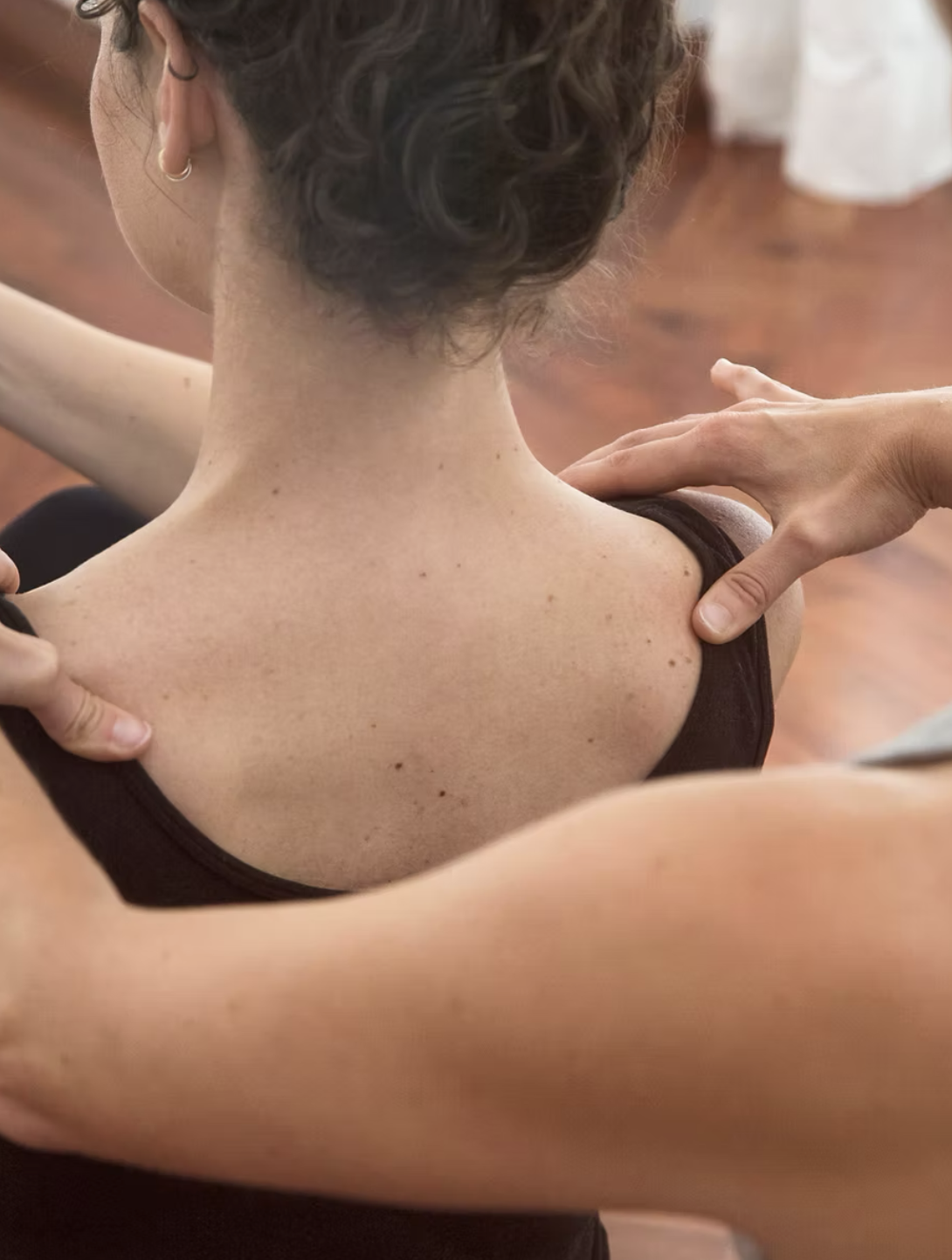
General Physiotherapy
Physiotherapy can help with musculoskeletal injuries such as neck, shoulder, back, hip, knee, and ankle pain. Additionally, it helps manage arthritis, postural pain, pre/post-operative rehabilitation, ergonomic assessments, and much much more!
-
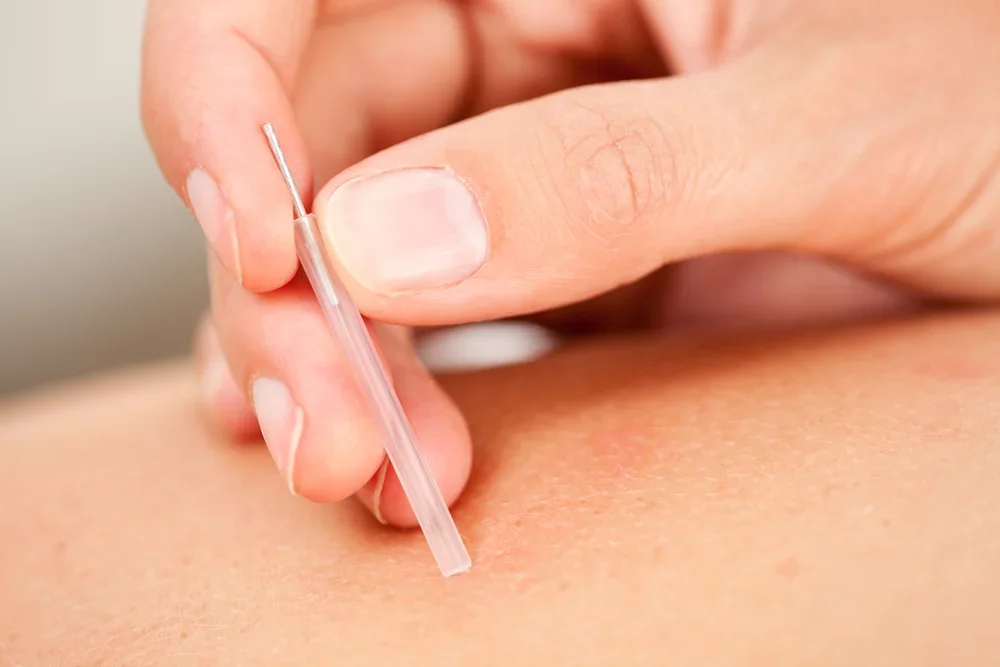
Dry needling (DN) / Intramuscular Stimulation (IMS)
Dry needling (DN) is also known as IMS (intramuscular stimulation), is a needling technique that refers to the use of a sterile, thin acupuncture needle to treat myofascial pain. Needles are inserted to release points of tension along muscles to help relieve pain, release trigger points (points of neuromuscular tension), and restore optimal movement. Research supports the use of dry needling to reduce pain and stiffness as well as improve range of motion, and overall sense of wellbeing.
-
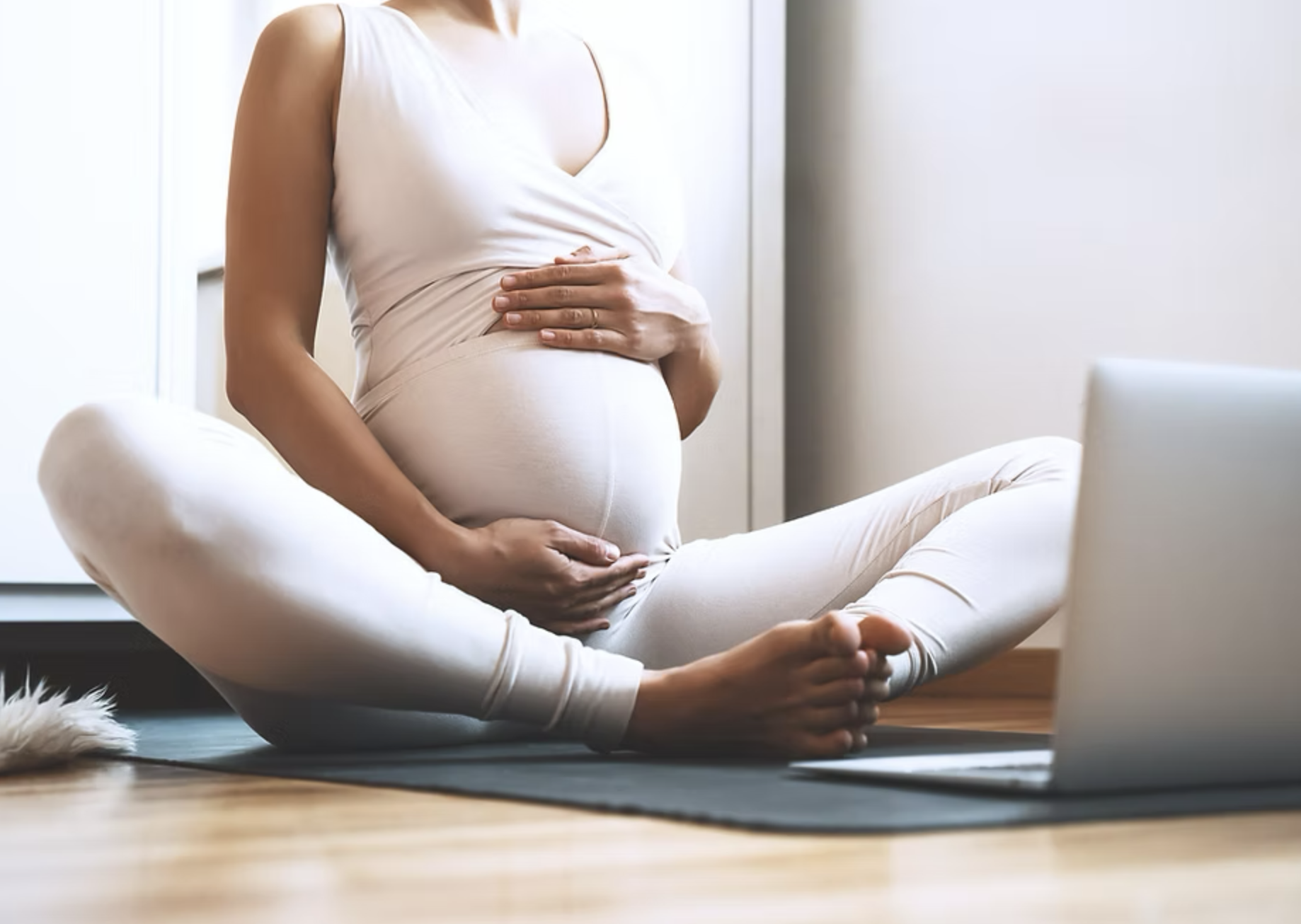
Online Physiotherapy
Physiotherapy without needing to leave your home can be a great option to start or continue your treatment. This can help alleviate alternate arrangements such as finding childcare, logistics of getting to the clinic, or if you are simply not comfortable with coming into the clinic at this time.