

FAQs
What conditions can MLD treat?
What conditions can Manual Lymphatic Drainage treat?
Manual Lymphatic Drainage (MLD) is a gentle, specialized manual therapy designed to support the function of the lymphatic system, which plays a vital role in fluid balance, immune health, and waste removal. As clinical understanding of the lymphatic system has expanded, lymphatic drainage has become a well-recognized therapeutic approach in both medical and rehabilitative settings.
Research and clinical guidelines from organizations such as the International Society of Lymphology (ISL) and the National Lymphedema Network (NLN) support the use of manual lymphatic drainage as part of comprehensive care for lymphatic and edema-related conditions. This technique is commonly used within Complete Decongestive Therapy (CDT) and post-surgical rehabilitation.
Manual Lymphatic Drainage Massage may be effective in treating conditions including, but not limited to:
Primary and secondary lymphedema
Post-surgical swelling (including cosmetic, orthopedic, and oncologic surgeries)
Post-radiation tissue congestion and fibrosis
Lipedema
Chronic venous insufficiency
Edema related to pregnancy
Postpartum swelling
Inflammatory conditions and tissue congestion
Fibrosis and scar tissue management
Immune system support during periods of stress or illness
Headaches, sinus congestion, and facial swelling
Beyond these indications, lymphatic drainage massage has been used clinically to support recovery, reduce discomfort, and improve tissue health in individuals experiencing fluid retention or compromised lymphatic flow. While ongoing research continues to expand our understanding, decades of clinical practice demonstrate its value as a supportive, non-invasive therapy that complements medical and rehabilitative care.
Manual Lymphatic Drainage Services
-

Abdominal
Abdominal lymphatic drainage focuses on stimulating the deep lymphatic vessels and lymph nodes within the abdomen, including the cisterna chyli, which plays a central role in overall lymph flow. This treatment can help reduce abdominal bloating, constipation, fluid retention, and digestive sluggishness, while supporting immune and detoxification processes. It is commonly used for post-surgical recovery, chronic inflammation, and general lymphatic support.
-
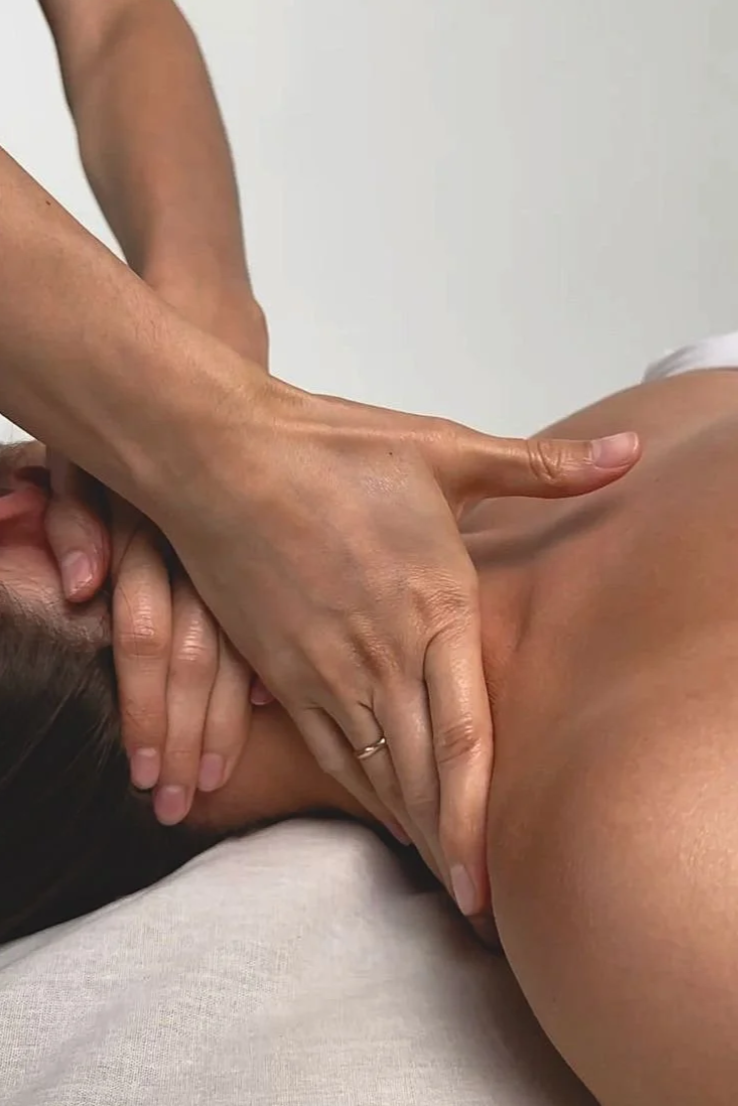
Head + Neck
Head and neck lymphatic drainage is a delicate treatment designed to reduce facial swelling, sinus congestion, jaw tension, and headaches. It is often used for post-dental or facial procedures, migraines, chronic sinus issues, tinnitis, and cosmetic concerns such as puffiness. This treatment may also promote relaxation and nervous system regulation.
-

Limb
Limb lymphatic drainage targets swelling and fluid retention in the arms or legs. This service is especially beneficial for individuals with lymphedema, lipedema, chronic venous insufficiency, or post-injury and post-surgical edema. Gentle, rhythmic techniques encourage lymph flow toward healthy lymph nodes, helping to reduce swelling, improve mobility, and alleviate discomfort.
-

Post-Operative Lymphatic Drainage
Post-operative lymphatic drainage supports healing following surgical procedures, including cosmetic, orthopedic, and abdominal surgeries. Treatment aims to reduce swelling, bruising, and discomfort while supporting tissue repair and minimizing fibrosis or scar tissue formation. Sessions are customized based on the type of surgery, stage of healing, and guidance from the client’s healthcare provider.
-

Oncology + Lymphedema
Oncology-focused lymphatic drainage is provided with specialized training and care for individuals undergoing or recovering from cancer treatment. This service supports the management of cancer-related lymphedema, post-radiation fibrosis, and treatment-related swelling. Care is delivered in alignment with medical guidelines and may be integrated into a broader lymphedema management plan, including compression therapy and patient education.